Lessons From an Osher Retreat
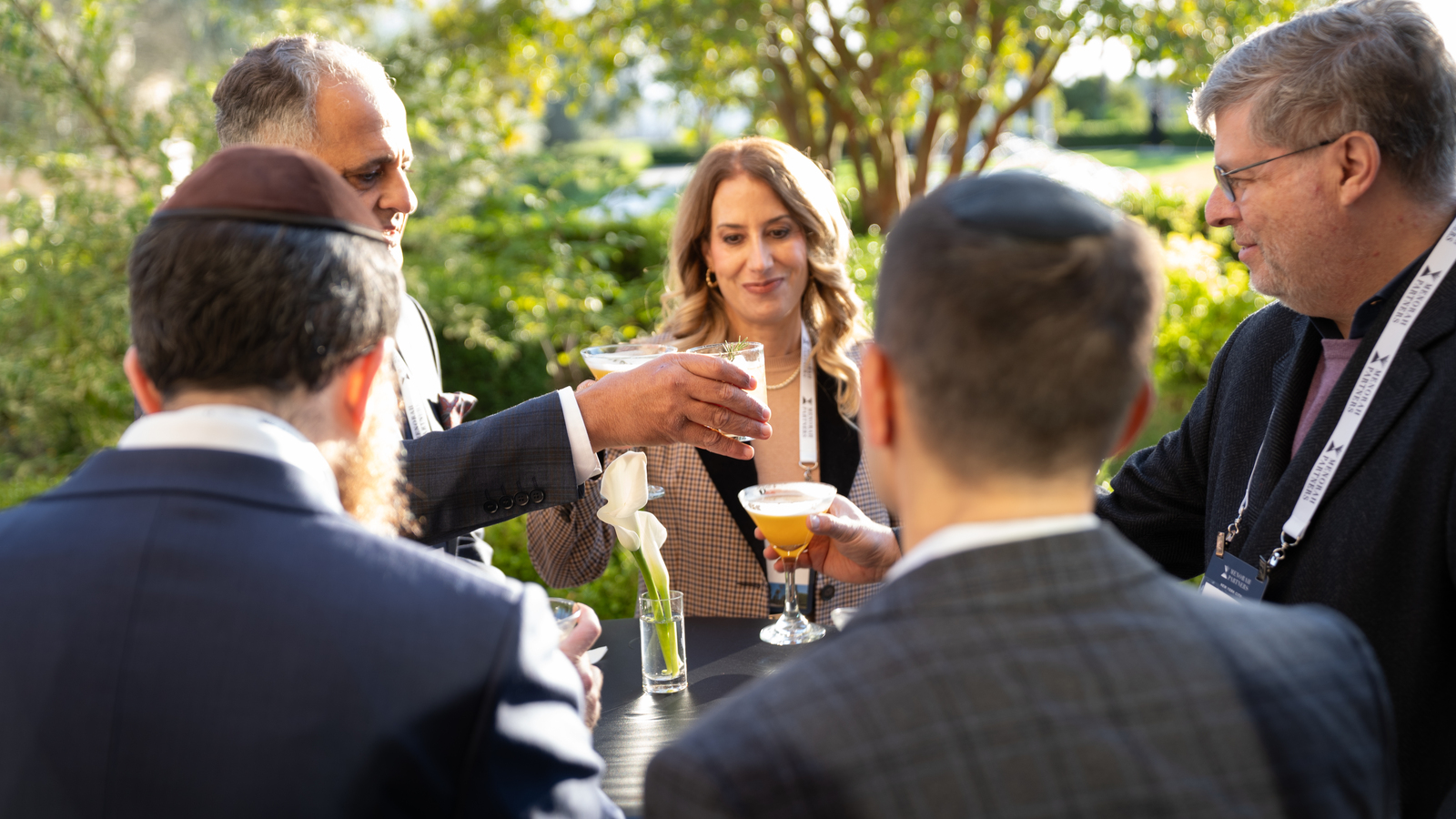
Most leadership events are built around a stage. A founders retreat is built around a table. Osher’s CEO & Founders San Francisco Retreat brings young Jewish founders and CEOs together for two days away from their companies, their inboxes and the constant pull of the next decision. The goal is not to collect contacts or hear a keynote. It is to slow down long enough to think clearly about the business, about leadership and about what success is ultimately for.
Taking place on 17 and 18 November, the retreat is the centrepiece of a busy autumn of Osher programming. Here are the lessons it is built around, shared in the spirit of the room: candid, practical and focused on what founders can use on Monday morning.
Why a Founders Retreat Is Different From a Conference
Conferences are designed for breadth. A founders retreat is designed for depth. When the group is small and every person in it is carrying the weight of a company, conversations move quickly past the polished version of events.
At Osher, sessions are structured so that founders bring real decisions to the table rather than finished stories. Someone is weighing whether to raise now or extend runway. Someone else is deciding whether a co-founder relationship can survive the next stage. Another is trying to work out why a team that performed brilliantly at twenty people is struggling at eighty. The value comes from hearing how peers who have faced the same fork in the road actually decided, and what they would do differently.
That is the core of a CEO peer group: not advice from a distance, but perspective from people who know exactly what the pressure feels like.
Lesson One: Scaling Decisions Get Harder, Not Easier
Early-stage founders often assume that decisions will become simpler as the company matures. More data, more people and more resources should make the path clearer. Founders who have been through it tend to describe the opposite.
As a company grows, decisions carry more consequences and involve more people. Hiring a senior leader, entering a new market or restructuring a team can no longer be reversed quickly. The founder's job shifts from making every call to building the system that makes good calls.
Several practical themes sit at the centre of these conversations
Decide what only you can decide. Founders who scale well are deliberate about which decisions stay on their desk and which belong to the team. Holding on to everything feels like control, but it quietly becomes the company's ceiling.
Hire ahead of the pain, not after it. Waiting until a function is breaking before bringing in experienced leadership usually means hiring in a hurry. Founders who navigate this well tend to start the search a stage earlier than feels comfortable.
Revisit the plan out loud. Strategy written at one stage of growth rarely survives the next. Regularly talking through assumptions with peers outside the company helps founders spot the ones that no longer hold.
None of these ideas is new on paper. What a retreat adds is the chance to test them against your own situation, with people who will ask the follow-up question your team might not.
Lesson Two: Leadership Under Pressure Is Built Before the Pressure Arrives
Every founder will face a moment when the stakes are high and the information is incomplete: a funding round that stalls, a key customer that leaves, a market that turns. The question is not whether that moment comes but how prepared a leader is when it does.
Composure in a crisis is rarely improvised. It is the product of habits built in calmer times: knowing your own early warning signs, having a small circle you can call without needing to perform, and being honest with your team before a problem becomes a rumour.
Two ideas stand out. The first was that transparency is a leadership tool, not a risk to be managed. Teams can handle difficult news far better than they handle uncertainty and silence. The second was that founders need somewhere to process pressure that is not their company. Carrying everything alone can feel like strength, but over time it narrows judgment. A trusted founder community gives leaders a place to think out loud before they have to speak with certainty.
Lesson Three: Peers Shorten the Learning Curve
Many founders arrive at Osher having learned most of what they know the hard way. One of the clearest benefits of a retreat is how much faster that learning becomes when it is shared.
A founder who has already been through a down round, a difficult acquisition conversation or a leadership transition can save a peer months of trial and error in a single conversation. Just as valuable is hearing what did not work. Honest accounts of mistakes are rare in public settings, which is exactly why a closed, trusted environment matters.
This is also why Osher keeps its programming running between retreats. The CEO Leadership Forum with Lior Susan of Eclipse Ventures in October and the Founders & Operators Peer Exchange with Glenn Solomon of Notable Capital in early November gave members a chance to hear from experienced investors and builders and then carry those conversations forward together. The San Francisco retreat brings those threads into one place, with the time to go deeper.
Lesson Four: Philanthropy Belongs in the Growth Plan
Osher exists to help young Jewish founders and CEOs turn business success into meaningful philanthropy. At an Osher retreat, that mission is not a separate topic but part of the same conversation about building a company.
It starts with a simple but important shift: philanthropy does not have to wait for an exit. Giving can be part of a growing company's identity from early on, in how leaders set personal giving goals, how they involve their teams and how they connect their success to the communities that shaped them. Starting early builds the habit, and habits are what turn into legacy.
Then there is the power of giving together. When founders pool their commitment and pair it with trusted community organisations, each contribution goes further than it would alone. For many founders, that collective approach makes philanthropy feel less like an obligation for later and more like a natural extension of the way they already lead: with intention, with partners and with a long view.
What Founders Take Home From a Leadership Retreat
The best measure of a leadership retreat is what changes afterwards. The aim is for founders to leave San Francisco with a few concrete commitments rather than a notebook full of inspiration:
A clearer view of the one or two decisions that matter most in the next six months
A short list of peers to call when those decisions get difficult
A plan to make giving part of the year ahead, not a project for someday
Just as importantly, they leave with relationships that continue well beyond the two days. That continuity is what distinguishes a founder community from a one-off event.
Learn More About Osher
Osher is a community of young Jewish founders and CEOs who believe that building a great company and building a meaningful legacy go hand in hand. Membership is selective, and every member is part of a network built on mentorship, candid peer exchange and shared philanthropic purpose.
If you are a founder or CEO who wants to grow as a leader and turn your success into lasting impact, learn more about membership and apply to join Osher.